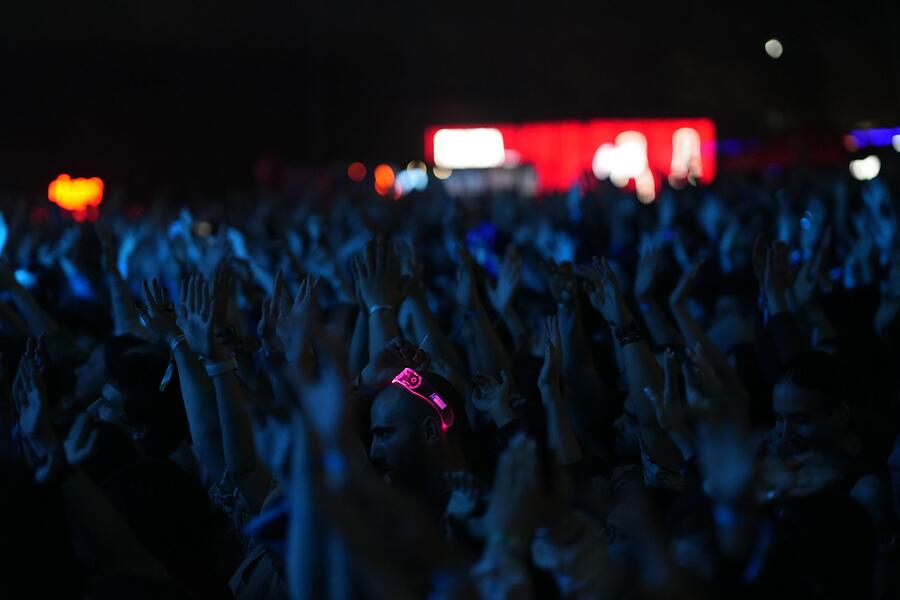
Private Event and Wedding Security in Orlando
Nexus Security Firm staffs weddings, receptions, milestone parties and private gatherings at Orlando venues, estates and vacation properties under FDACS agency license B 1900066. Officers hold the door, watch the gift table and the parking, and handle an uninvited or over-served guest without the night turning into a story.
What private event and wedding security covers
The standard package is a door, a room and a lot. The door post checks arrivals against whatever list you have, whether that is a printed guest list, a name at the desk or a simple count with a planner beside it. The room post keeps an eye on the gift table and the card box, the personal items left on chairs, and the bar area as the evening runs on. The lot post covers vehicles, the arrival and departure flow, and the quiet edges of a property where an event draws people who were not invited.
Beyond that, coverage gets added for specific reasons: a venue that requires licensed officers on the rental agreement, a family situation where a particular person should be kept out, a cash bar, an event at a rented house where the neighbors and the street are part of the picture, or a late close where the last hour of load-out happens with a tired crew and open doors. Every one of those is a named post with hours against it.

Who books private event coverage
Couples and their planners, parents hosting a milestone birthday or quinceanera, venue managers who have written security into the rental agreement, and hosts running an event at a private home or a vacation property. The reason splits three ways and most bookings carry two of them at once.
The first is a requirement, where the venue or the insurance behind it names licensed security as a condition. The second is a specific person, usually someone a family already knows they want kept away from the event, which is the most common single reason a wedding books officers. The third is the ordinary math of an open bar, a valuable gift table and a room where everyone present is focused on something other than the door.
What an officer can do about an unwanted guest
An officer asks the person to leave and calls law enforcement if they refuse. That is the whole legal picture for contracted security in Florida, and it is enough for nearly every private event situation, because a person who arrives to make a point rarely stays once a uniformed and licensed officer is standing in front of them addressing them by the reason they are being asked to go.
What makes it work is preparation. Give the officer a name, a description or a photo if you have one, and name the person on your side who makes the call when a judgment is needed, usually a planner or a family member other than the hosts. If there is a court order in place, tell us before the date and bring a copy, because the existence of an order changes what law enforcement can do when they arrive. An officer promising to physically remove or detain a guest is describing exposure that would land on you as the host.
How private events are staffed and how officers present
Private events run unarmed almost without exception, and that is the correct call for a reception. Every officer carries a Class D license from FDACS, which takes 40 hours of approved training and runs on a two-year cycle (FDACS Division of Licensing). Armed coverage is reserved for the rare case with a concrete threat, significant cash on site, or high-value items being transported, and a Class G license requires 4 hours of firearms requalification each year of the two-year cycle (FDACS Division of Licensing).
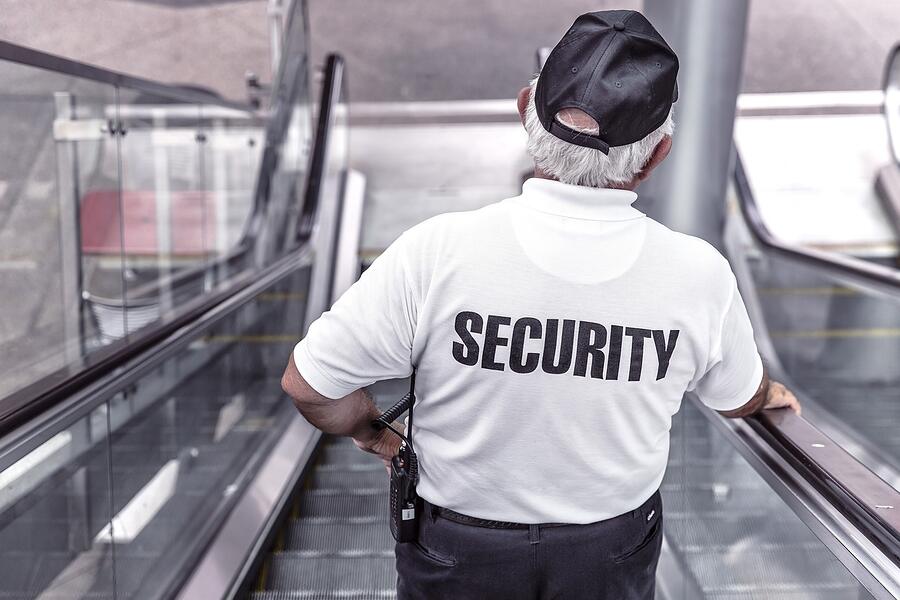
Presentation is your choice and it matters more here than anywhere else on an event calendar. Uniformed officers are visible deterrence, which is what you want at a lot, a gate or a rented house where the point is that the property is watched. Blazer presentation is what most couples choose for the reception room, where the officer reads as staff and the photographs do not include a uniform behind the cake table. A supervisor is assigned to the event and attends the post, and anything that happens is documented and sent to you afterward.
What wedding and private event security costs
A private event officer bills at roughly $24 to $34 an hour unarmed in Central Florida, and $32 to $46 where the post is armed. Florida guard wages sit near $14 to $18 an hour unarmed and $18 to $26 armed (ZipRecruiter, Salary.com and Indeed, 2026), and the industry marks that up 1.5 to 2 times to reach a bill rate (Belfry Software, 2026). A typical wedding books one or two officers for five to eight hours, which puts most of these events in the hundreds rather than the thousands.
Private events sit toward the top of the band more often than corporate programs do, for structural reasons worth understanding before you compare quotes. They are single short shifts on a Saturday evening, frequently over a holiday weekend, and an officer taking one five-hour Saturday night post has no other work attached to it. Booking early, covering a continuous block instead of a split shift, and deciding whether the lot really needs its own post are the three levers that move the number.
What Orlando venues and properties add
Two Orlando specifics change private event coverage. The first is the venue requirement itself: hotels, estates and event spaces across Orange County write licensed security into rental agreements and ask for the agency license number and a certificate of insurance before they release the room. Having the number in hand at the quoting stage takes a week out of the venue paperwork.
The second is the vacation property. In a city that took 76.7 million visitors in 2025 (Visit Orlando), a large share of private events happen at rented homes and resort properties near the attractions, where the event has neighbors, an HOA, a street to park on and no staff of its own. Those bookings usually need a lot post more than a door post. Add the weather: an outdoor ceremony that moves indoors in twenty minutes rearranges the door plan, so the officer should know both versions of the floor plan before guests arrive.
How to check the license before you book
Agency license B 1900066 belongs to Nexus Security Firm and sits in the public register at the Florida Department of Agriculture and Consumer Services Division of Licensing. Officers carry Class D licenses, plus a Class G for armed posts. It is public record, so you can check it in a minute without asking anyone for a document.
Do it for every quote you are holding. Private event work attracts unlicensed operators offering a friend in a black polo at a low hourly rate, and that arrangement gives the venue nothing to accept, gives your insurance nothing to rely on, and gives you no recourse if something happens at your event.
Coverage usually booked for the same date
Most events book more than one of these for the same run of dates.
How a private event gets covered
Four steps, and most of it is settled in one conversation.
-
Tell us the date, venue and hours
Event date, venue or property address, guest count, start and end time, whether alcohol is served, and anything you already know about a person you want kept out.
-
Posts and presentation agreed
Door, room, lot or a combination, uniformed or blazer, with the hours and the rate against each post. Where one officer covers the event well we will say so instead of quoting two.
-
Names and the decision maker
Any individual we should watch for, any court order in place, and who on your side makes the call during the event. Hosts should not be the ones fielding that on their own wedding day.
-
On site and documented
The officer arrives before guests, works the posts agreed, and writes up anything that occurred. A supervisor is assigned to the event and attends the post, and the documentation comes to you.
What to expect
What a covered private event looks like:
- An officer at the door before the first guests arrive
- Gift table and card box inside a watched sight line
- Parking and arrivals covered where the property needs it
- An agreed response for an uninvited or over-served guest
- Blazer or uniform presentation as you choose
- A written account of anything that happened, sent to you
Why hosts and planners book officers
-
The uninvited guest is handled before the room notices
Most of these situations end at the door with a conversation, which is only possible when someone is standing at the door who knows the name, has been told who decides, and has no other job that night. Officers ask the person to leave and call law enforcement if they refuse, and the hosts hear about it afterward instead of during.
Officers hold a Florida Class D license requiring 40 hours of FDACS-approved training (FDACS Division of Licensing).
-
A licensed agency your venue will accept
Venue contracts across Orange County require licensed security, and what satisfies them is an agency license number plus proof of insurance. Nexus Security Firm holds FDACS Class B agency license B 1900066, which is public record, so the venue approval step moves faster than it does with an unlicensed arrangement.
Agency license B 1900066 is searchable on the FDACS Division of Licensing lookup.
-
Presence that fits the photographs
You choose uniformed or blazer presentation per post, so the lot can look watched while the reception room looks like a reception. The officer is the same licensed officer either way, briefed on your guest list, your timeline and who to ask before doing anything visible.
A supervisor is assigned to the event and attends the post.
What Reddit Says About Private Event and Wedding Security in Orlando
The clearest guidance in the security threads is about authority, and it applies to a wedding as much as to a warehouse. Officers describe being told to detain or restrain people and advise each other to refuse, because unlawful detainment exposure attaches to the officer and to whoever hired them. The sequence they describe as correct is the one to expect at your event: the person is asked to leave, and police are called if they will not. Anyone quoting your wedding and promising to physically remove a guest is offering you a problem in place of a service.
Vetting guides and buyer threads name price-only selling as a warning sign, and a thread on how bill rates are built drew the observation that competing on lowest bid decides who ends up standing at your door. One commenter described the trickle down as being forced to hire people they would never hire for the work. For a private event that is the whole argument against the cheapest quote on the list, because you are buying one person's judgment for one evening.
The other pattern worth borrowing is the coverage gap. An HOA in one thread contracted four hours a night, four nights a week, then took break-ins during the hours nobody was there. Weddings do the same thing when coverage is booked to the ceremony and the reception runs three hours past it, or when the officer leaves at the scheduled end and the gift table is still sitting out during load-out. Book the hours the event runs, load-out included.
A common Orlando wedding call
The situation: A 160 guest wedding at a rented estate property outside Orlando, with an open bar, an outdoor ceremony that has an indoor rain plan, and a family member who has told several people they intend to come and say something. The venue contract requires licensed security for any event with alcohol service.
What gets done: Two officers are posted for the evening. One works the entrance from an hour before the ceremony through the end of the reception, holding the arrival point and carrying the name and description of the individual the family is concerned about. The second covers the parking area and the property edge during arrivals, then moves inside to a position with a sight line on the gift table and the bar as the evening goes on. The bride's sister is named as the decision maker so the couple is never the one making a call. Both officers work in blazers, and both know the indoor and outdoor versions of the floor plan.
How it turns out: The individual arrives during cocktail hour, is met at the entrance, and leaves after a short conversation without entering the event. Two guests who have had too much are walked to their rideshare by the lot officer. The couple learns about all of it the next morning, from a written account that also notes when each officer arrived and left.
Wedding and private event security questions
What couples, planners and hosts ask before they book.
Booking and coverage
How many officers does a wedding need?
One or two covers most of them. One officer works where there is a single entrance and the reception is in one room. A second is worth it where parking sits away from the building, where there is a separate ceremony and reception space, or where you have a specific person in mind. We will say when one is enough instead of quoting two.
How many hours should we book?
Book the hours the event runs end to end, including the last hour when gifts, equipment and personal items are being loaded out. The most common mistake is covering the ceremony and reception and leaving the property unwatched during the part where things are being carried to cars in the dark.
Can the officer wear a suit instead of a uniform?
Yes, and most couples choose it for the reception room. Blazer presentation keeps the room feeling like a wedding while the officer does the same job with the same license. Uniformed presentation works better outdoors, at a gate or in a lot, where being visible is the point.
Do you cover events at rented homes and vacation properties?
Yes, and they are among the more common private bookings in this market. A rented property has neighbors, a street, an HOA and no staff of its own, so the coverage usually leans toward the driveway, the parking and the property edge more than toward an interior door.
Authority, alcohol and cost
Can an officer keep a specific person out?
Yes, with a name and ideally a description or photo, and with someone on your side named as the decision maker. The officer asks the person to leave and calls law enforcement if they refuse. If a court order exists, tell us beforehand and bring a copy to the event, because that changes what police can do when they arrive.
What happens with a guest who has had too much to drink?
The officer keeps it quiet and practical: a conversation away from the room, water, a seat, and a ride arranged. Removing a guest is a last step and it still ends at asking them to leave and calling law enforcement if they will not. Agreeing beforehand who on your side gets told first keeps it from reaching the hosts.
What does a wedding security officer cost in Orlando?
Roughly $24 to $34 an hour unarmed, which for a typical five to eight hour evening with one or two officers puts most weddings in the hundreds. The band comes from Florida guard wages of about $14 to $18 an hour (ZipRecruiter, Salary.com and Indeed, 2026) and industry bill rates of 1.5 to 2 times the wage (Belfry Software, 2026). Saturday evenings and holiday weekends sit at the top of it.
Our venue requires proof of licensing. What do you provide?
The agency license number, B 1900066, which the venue can verify on the FDACS Division of Licensing public lookup, plus a certificate of insurance. Most venues want both on file before the date, and having the number early usually clears that requirement in one email.
Do we need armed officers at a wedding?
Almost never. Private events run unarmed, and arming is reserved for a concrete threat, significant cash on site or high-value items in transit. A Class G armed license carries 4 hours of firearms requalification each year of the two-year cycle (FDACS Division of Licensing), and the post costs more. If you are considering it, tell us the reason and we will give you a straight answer about whether it is warranted.
Still have a question? Call (407) 329-6099 and ask.