Event Security in Sanford
Sanford runs its events on brick streets through a historic downtown that is already a bar district, with Lake Monroe on one edge and a recurring monthly street party on the calendar. Nexus Security Firm staffs the closures, the service points and the waterfront boundary those dates create.
Event Security in Sanford
Downtown Sanford is a compact historic district of brick-paved streets and 19th century buildings with an unusually dense run of independent restaurants, breweries and cocktail bars. That is the setting for Alive After 5, described as Central Florida's largest recurring monthly street party, which takes the downtown on the second Thursday of every month. The same streets carry the St. Johns River Festival of the Arts each spring with more than 140 artists, a StreetFest with fireworks on the second Saturday of October, and a strawberry festival in season.
The other edge of the district is water. The Sanford RiverWalk runs along Lake Monroe past Veterans Memorial Park, Marina Island and Fort Mellon Park, with a marina offering free day slips, so an event on the waterfront can have attendees arriving by boat. The Wayne Densch Performing Arts Center puts theater dates into the same downtown, and the Central Florida Zoo sits nearby with its own event program.
Sanford is also its own city in Seminole County, about 25 miles from downtown Orlando, with the Sanford Police Department as the responding agency. An event here is planned against a local permit process, a local department and a downtown where the bars would be busy on a Thursday even if nothing else were happening.
The footprint and the bar district are the same blocks
When the event closes the street the bars are on, there is no line between your crowd and their crowd. People inside the footprint are moving between a vendor booth, a sanctioned outdoor bar and an established pub that has been open all afternoon, and the person who becomes a problem at 9pm may never have attended anything. Coverage weights toward the service points, the interior corners where the density builds, and the transitions between the event footprint and a venue doorway. The rule on open containers, wristbands and what leaves a serving area has to be written by the organizer before the date so every post gives the same answer.
Brick streets and a historic grid shape the load-in
Vendor trucks, staging and generators come into a small grid of brick streets lined with historic storefronts that have no rear service access. The load-in window is tight, the vehicle route is fixed by the closure plan, and once the footprint is built a truck cannot turn around inside it. A load-in post at the vehicle access point works the vendor list, keeps the queue off a live lane and holds until the last vehicle is in. The same position runs in reverse at the end of the night, which in a residential-adjacent downtown means load-out noise is a real constraint on how long you can take.
A riverfront event has a boundary you cannot fence
Events along the RiverWalk and the marina have Lake Monroe on one side, a seawall and docks in between, and free day slips that let attendees arrive by water. That produces two things a street event does not have: an arrival point with no gate and no vehicle, and an edge where an intoxicated person and deep water are a few steps apart. A waterfront date should carry a dedicated position on the water edge through the busiest hours and another near the dock access, and the plan should name who is watching the seawall during a fireworks finale when the entire crowd is facing the same direction.
A recurring monthly event is planned once and refined twelve times
An event that runs every month on the same streets has an advantage no annual festival gets: the plan can be corrected from what happened last time. Coverage for a recurring date is quoted as a standing pattern with a count that flexes for the months that draw larger crowds, and the written account from each edition feeds the next post map. It also means the post map itself improves, because the corner that filled last month is a known quantity when the next edition is planned and the extra body goes there before the crowd does.
Historic indoor venues have one way in and narrow corridors
A performance at a historic downtown theater is a different job from the street outside it. Older venues typically have a single public entrance, narrow lobby space, tight aisles and a stage door on a side street, which means ingress and egress bottleneck in predictable places. Coverage is a door post during the arrival window, a lobby position through the performance, and a stage door post where talent or gear needs separating from the public. Where the show is ticketed with reserved seating, the officers work with your house staff on the seating disputes that happen in the first ten minutes, and the rule about what happens to a patron who cannot be seated belongs to you.
What a post at an outdoor bar looks like
The position stands beside the serving point rather than behind it, watching the line and the exit path more than the transaction. The work is the ID check where the organizer runs one, the wristband rule, and the point at which a server declines and needs somebody standing there. On brick streets with uneven footing and a crowd that has been out for hours, the same post also handles the person who goes down and needs a clear space and a call made.
Why Sanford organizers and venues book this agency
-
A plan built for a downtown that is already busy
Staffing a Sanford date starts with the fact that the district has its own crowd before your event begins. We place posts at the service points, the interior corners and the transitions between the footprint and the venues on it, then hold the closure points on the outside. You get that map with hours and a rate for each position, and we mark the one we would cut first if the budget is fixed.
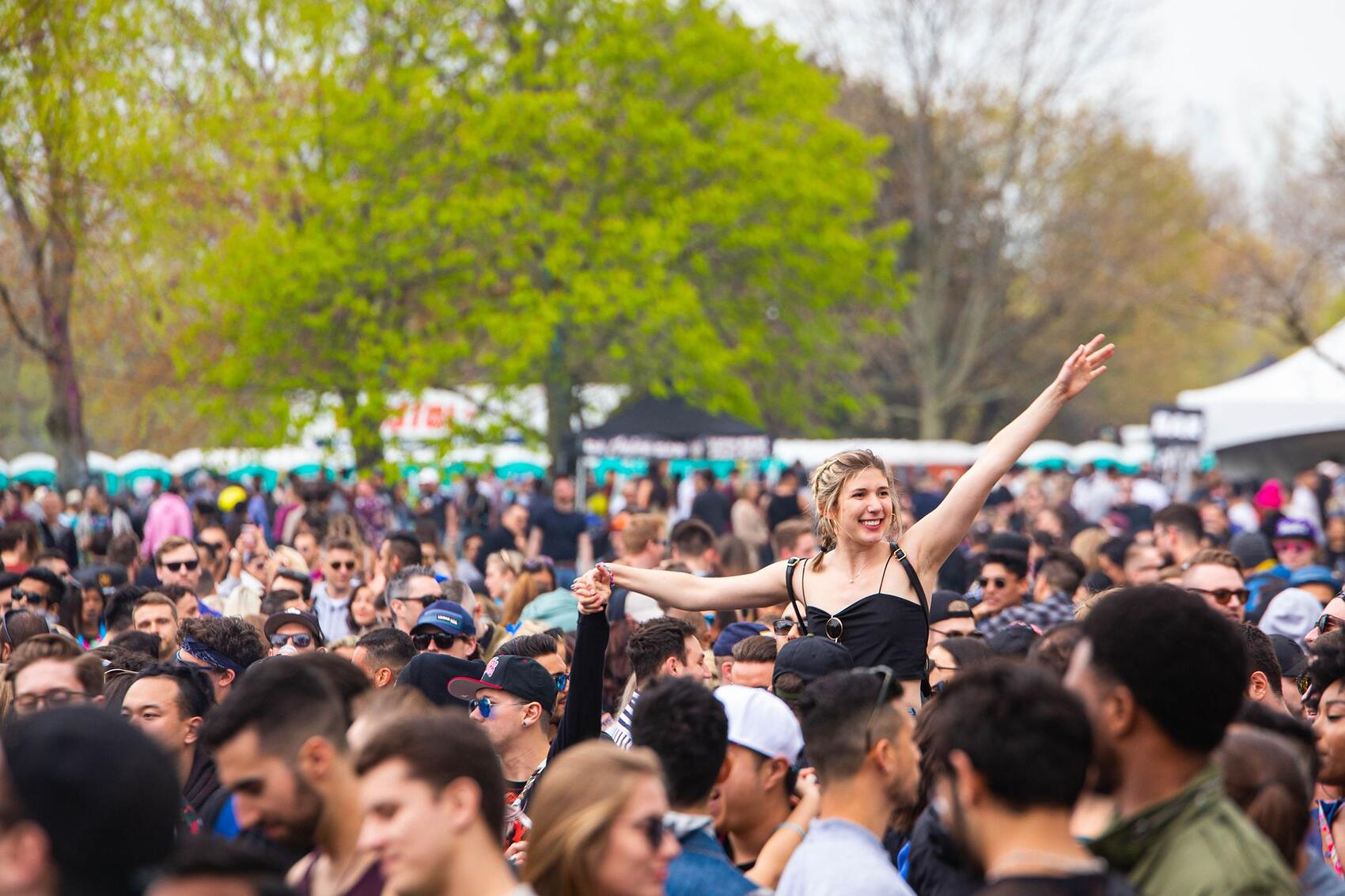
Alive After 5 takes downtown Sanford on the second Thursday of every month.
-
A licensed Florida agency working across Seminole County
Nexus Security Firm holds FDACS Class B agency license B 1900066 and deploys its own licensed officers. A Class B agency license is statewide, so distance from the Orlando office changes nothing about the credential a Sanford venue or the city permit office asks for. Every officer carries a Florida Class D license. All of it is public record at the Florida Department of Agriculture and Consumer Services and you can check it before you call.
Forty hours of FDACS-approved training sit behind a Florida Class D officer license (FDACS Division of Licensing).
-
Documentation you can hand to the city
A recurring downtown event lives or dies on its relationship with the city and the merchants on the street. A supervisor is assigned to the event and attends the posts, and anything that happens is documented with the documentation going to the organizer. That gives you a record to bring to a permit conversation instead of a recollection, and it gives next month's post map something to be built from.
Security industry turnover reached 77 percent in 2024, up from 69.3 percent in 2019 (ASIS International).
A typical recurring downtown date
The situation: A common call comes from an organizer running a monthly evening street event across several blocks of a historic downtown, with vendor booths, two outdoor bars, live music and existing restaurants and pubs open inside the footprint. Turnout varies from a few thousand in summer to considerably more in the fall. The recurring problems have been crowding at one narrow corner between two popular doorways, and a wristband rule that was enforced differently at each bar.
What gets done: Each outdoor bar gets a post working the line and the exit path, with a single written wristband and container rule agreed with the organizer and issued to every officer. The narrow corner gets a standing position from the hour the crowd builds, placed to keep a walking lane open instead of blocking it. Closure points are held from the time the barricades go out, and a load-out post holds the vehicle access point until the last truck clears. The count increases for the months that historically draw heavier turnout.
How it turns out: The bar rule is the same at both service points because it exists on paper. The organizer gets a written account after each edition, and the following month's post map moves one officer from a quiet block to the corner that filled.
Sanford event security questions
What downtown organizers, venues and private hosts in Sanford ask first.
Downtown dates, the waterfront and cost
Does the city require licensed security for a downtown event?
Requirements come from your special event permit, your venue agreement and your insurance carrier, and they differ by footprint and by whether alcohol is served. What all of them accept is the same proof: a Florida agency license number plus licensed officers. Nexus Security Firm holds FDACS Class B agency license B 1900066, a public record on the Florida Department of Agriculture and Consumer Services lookup.
You are based in Orlando. Do you cover Sanford?
Yes. The Class B agency license is statewide, and Sanford is a routine drive from the Orlando office. What matters more than distance is planning time: tell us the date early enough to walk the footprint with you, because a downtown with brick streets and narrow corners rewards seeing it in person.
How do you handle the bars that are already in the footprint?
By agreeing the rules with the organizer first and applying the same one everywhere. Officers enforce the container, wristband and service rules you write. They do not have authority over a licensed establishment's own operations, so the coordination between your event rules and the venues on the street has to be settled before the date, and the posts sit at the transitions between the two.
What extra coverage does a waterfront event need?
A dedicated position on the water edge during the busiest hours, and one near dock access if attendees are arriving by boat. During a fireworks finale the whole crowd faces one direction and the seawall stops being watched by anybody, which is the moment the edge post exists for. That position is usually one or two officers and it is the last one to cut.
What does event coverage cost in Sanford?
Unarmed posts run roughly $24 to $34 an hour across Central Florida and armed posts $32 to $46, drawn from Florida guard wages of about $14 to $18 and $18 to $26 (ZipRecruiter, Salary.com and Indeed, 2026) and industry bill rates of 1.5 to 2 times the wage (Belfry Software, 2026). Late evening hours and one-off single-shift bookings sit at the top of the band because they are the hardest shifts to fill.
Still have a question? Call (407) 329-6099 and ask.
Other areas we staff events
Events in the adjoining areas run off the same roster, so a date in one does not rule out a date in another.