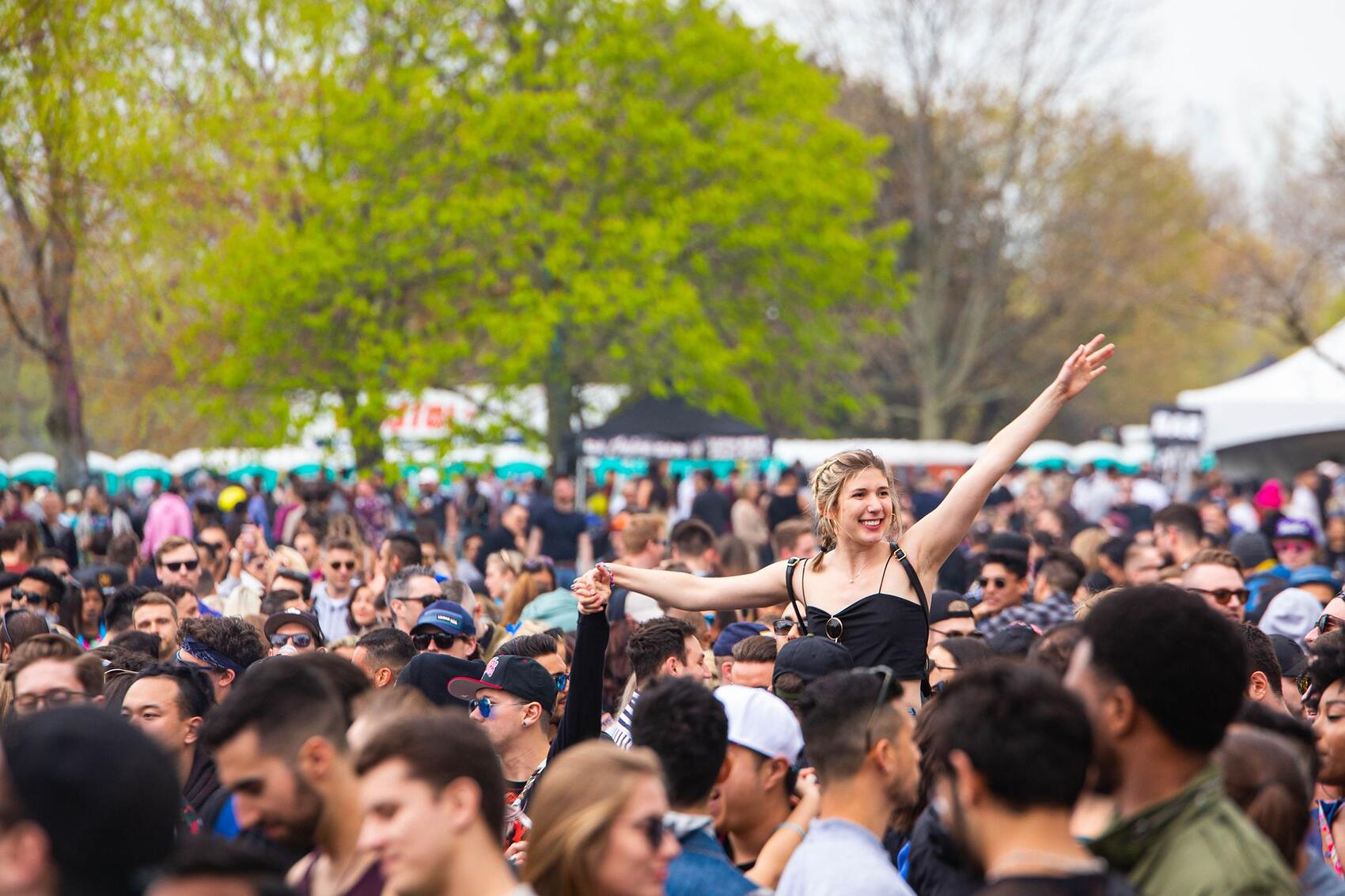
Event Security in Kissimmee
Kissimmee holds an arena, a 200-acre event campus, the largest in-hotel exhibition hall in Florida and a lakefront park, which is four different staffing problems inside one city. Nexus Security Firm builds the post plan from the venue you booked and the hours it is open.
Event Security in Kissimmee
Kissimmee's event inventory is unusually varied for a city its size. Osceola Heritage Park spreads across 200 acres and holds the 10,500-seat Silver Spurs Arena, a 60,000 square foot events center, a 7,000 square foot indoor and outdoor club space and a 5,400-seat stadium, and it hosts everything from concerts to trade shows to the Silver Spurs Rodeo, which runs twice a year and dates to 1944.
A few miles west, the resort corridor carries convention-scale meeting space: one resort here holds more than 500,000 square feet of meeting and event space, including a 178,500 square foot exhibition hall described as the largest in-hotel exhibition facility in the state, a main ballroom of 29,123 square feet, and a 4.5-acre indoor garden atrium that guests walk through to reach any of it.
Then there is the public side. Kissimmee Lakefront Park sits between the historic downtown and the shore of Lake Tohopekaliga with pavilions, a fishing pier and large outdoor event space used for community festivals and the city's Fourth of July fireworks. Sunset Walk and Old Town run free live entertainment and car shows most weekends. Each of those has a boundary problem the others do not.
A resort ballroom event shares its building with holiday guests
Convention space inside a destination resort puts your attendees and a family on vacation in the same corridor. An exhibition hall of that size takes freight through service routes while guests are checking in, and a 4.5-acre atrium means the walk from a guest room to your general session passes restaurants, a lagoon and a few hundred people who have nothing to do with your program. Coverage is credential posts on the rooms while they are live, a registration position through the arrival window, and a floor presence in the exhibit hall during setup and overnight. Resort security covers the property. Your officers hold your list and your doors.
A 200-acre campus is mostly parking and access roads
At a venue campus of this size the event starts in the parking field long before anybody reaches a door. Vehicles arrive on a small number of access roads, park across open ground, and then walk in on routes that are dark by the time the event ends. Post planning covers the vehicle entrances, the walking routes between the lots and the venue doors, and the lots themselves during the show, because that is where property is taken while everybody is inside. Arena dates add the standard interior pattern: ticket scan and bag check at the entry, ushering support inside, a position at any credentialed corridor, and a back-of-house post at the load-in doors from the first truck.
Rodeo and livestock events run on a different schedule
A rodeo or agricultural date is a multi-day event where the venue is occupied around the clock. Competitors, stock contractors and trailers come and go through gates that stay open outside public hours, and there is equipment, tack and livestock on the grounds overnight with no ticketed crowd anywhere. Coverage for these dates is heavier on the back gate and the barn area than on the public entrance, with a credential rule separating competitor and contractor access from the general public, and an overnight presence on the grounds. Alcohol service and a crowd that has been on site for six hours also change the count at the seating bowl.
Lakefront events have water on one side and a street on the other
A festival at the lakefront park has an unusual perimeter: one boundary is Lake Tohopekaliga and a fishing pier, another is the park's own street frontage, and the rest is open ground into a downtown grid. A water edge is a safety consideration as much as a security one, particularly for evening events with alcohol service and for family events where children are present, and it is worth a dedicated position during the busiest hours. On the street side, vendor load-in, barricade points and the walk to remote parking are the posts that matter. Kissimmee Police is the responding agency for the downtown and lakefront area.
A resort-corridor crowd is largely people passing through
Free entertainment districts on the tourist corridor draw walk-up crowds from surrounding hotels and vacation homes, which means the audience for a Saturday night concert is people who decided to attend twenty minutes earlier. There is no ticket list, no capacity control and no advance notice of head count. What can be controlled is the stage barrier, the service points, any ticketed or reserved area, and the route people take back to their vehicles. A plan for these dates should be honest that attendance is an estimate and should put the officers where the property and the alcohol are.
What a parking field post looks like after dark
On a large campus, the lot post works the hours when the lot is full and unattended and again when it empties. The officer covers the walking route between the rows and the venue door, watches for the vehicle that circles rather than parks, and stays through the last departure. It is the least glamorous position on the plan and the one most often cut from a budget, and it is where a guest's property goes missing while the guest is inside watching a show.

Why Kissimmee venues and planners use this agency
-
The plan changes with the venue type
Kissimmee gives you an arena, an exhibition hall, a fairground and a lakefront park, and the same officer count in each of those buys a different amount of coverage. We start from the venue's own layout, its access roads and its back-of-house doors, then build posts against them. That produces a count you can read line by line, with the position we would cut first marked as optional before you sign.
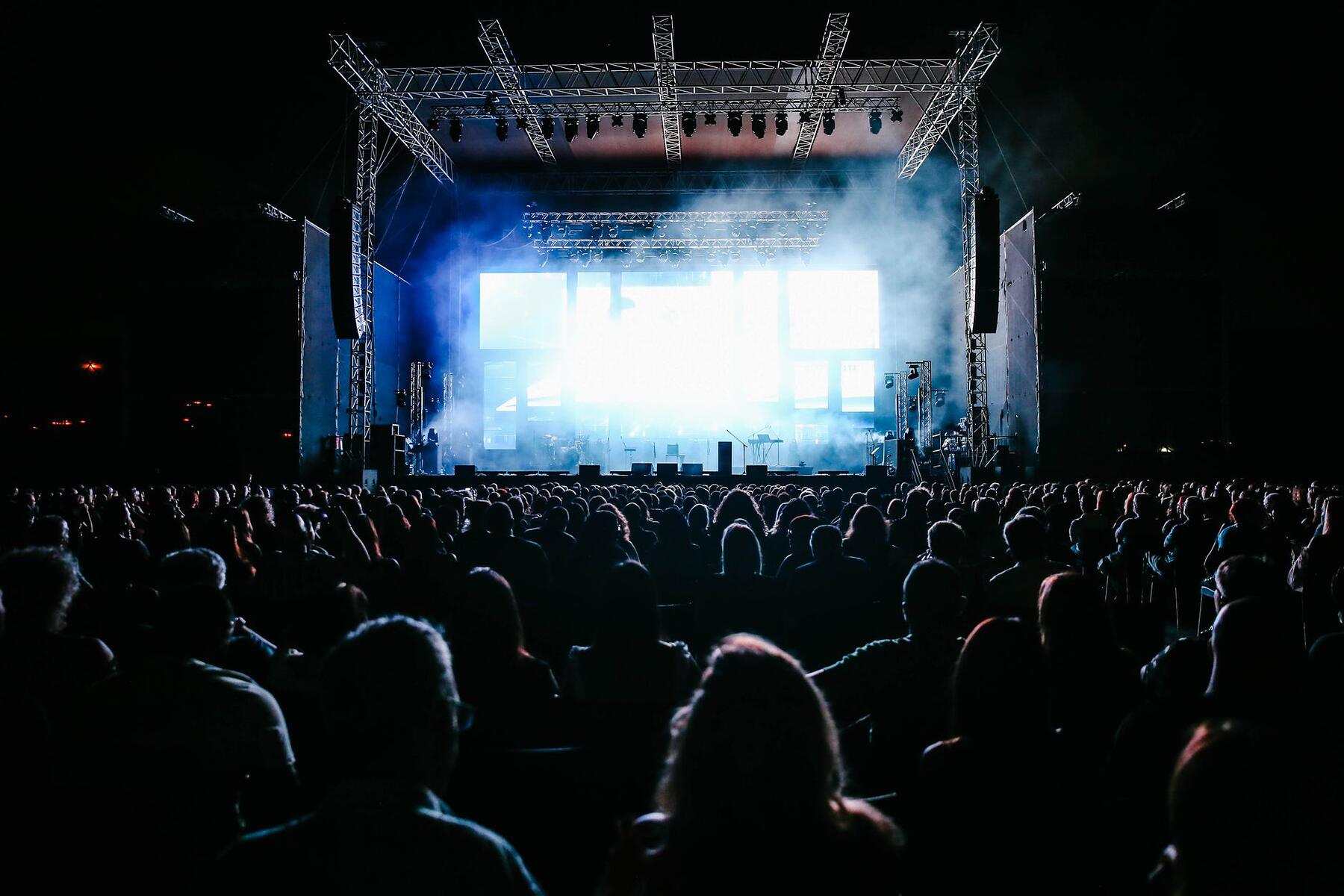
Osceola Heritage Park covers 200 acres and includes a 10,500-seat arena and a 60,000 square foot events center.
-
Licensed under Florida Chapter 493, with the number shown
Nexus Security Firm holds FDACS Class B agency license B 1900066 and deploys its own officers. Each one carries a Florida Class D license, with a Class G added where a post is armed. Venue management here will want the agency number on the certificate of insurance and in the contract, and it is a public record you can verify through the Florida Department of Agriculture and Consumer Services without asking us.
An armed Class G officer requalifies with firearms for 4 hours in each year of a two year license period (FDACS Division of Licensing).
-
What moves the rate, said before the invoice
Central Florida event posts run about $24 to $34 an hour unarmed and $32 to $46 armed, built from Florida guard wages of roughly $14 to $18 and $18 to $26 (ZipRecruiter, Salary.com and Indeed, 2026) against bill rates of 1.5 to 2 times the wage (Belfry Software, 2026). Overnight grounds coverage, holiday weekends and single-shift bookings price high in the band, and we say which parts of your date fall there on the first call.
Industry bill rates are built at 1.5 to 2 times the officer wage behind them (Belfry Software, 2026).
A typical multi-day event at a Kissimmee venue campus
The situation: A common call comes from a producer running a three-day consumer show across an events center and part of the adjoining grounds, with vendor move-in the day before, public hours across three afternoons and evenings, and vendor stock left in place overnight. Parking is on open ground served by two access roads. The producer has budgeted two officers at the public entrance and nothing else.
What gets done: Move-in gets a post at the vendor access gate checking against the exhibitor list and one inside keeping the load-in lane clear. Public hours get entrance posts plus a rover through the vendor rows and a lot position covering the walking routes. Each overnight gets officers walking the hall and the outdoor display area, because that is when stock sits unattended. The final night holds the load-out gate until the last vendor vehicle leaves.
How it turns out: The producer sees the hours split by block and moves budget out of the quiet weekday afternoon into the two overnights. Anything that occurs is documented and the documentation goes to the producer, which is what a vendor asking about a missing case needs to see.
Kissimmee event security questions
What producers, planners and venue managers here ask on a first call.
Venues, coverage and cost
The resort has its own security. Why hire officers?
Resort security is responsible for the property, its guests and its public areas. Your officers are responsible for your program: the registration desk, the credentialed rooms while they are live, the exhibit hall during setup and overnight, and any evening function with a guest list. Tell the resort who your provider is during planning so the split is agreed in writing well before the date.
Do we need officers in the parking areas?
On a large campus, yes, and it is the position most often left out. The lots are full and unwatched while the event runs and dark when it empties, and the walk between the rows and the doors is where guests are most exposed. A single lot post covering the main walking route is usually the highest-value hour on the plan.
How is a rodeo or livestock date staffed differently?
The weight shifts to the back gate, the barn area and the overnight. Competitors, stock contractors and trailers move through gates outside public hours, and there is equipment and livestock on the grounds when no crowd is present. A credential rule separating contractor access from public access is written before the event, and officers apply the rule you set.
What does event security cost in Kissimmee?
Unarmed posts sit around $24 to $34 an hour and armed around $32 to $46, based on Florida guard wages of about $14 to $18 and $18 to $26 (ZipRecruiter, Salary.com and Indeed, 2026) and an industry bill rate of 1.5 to 2 times the wage (Belfry Software, 2026). Overnight coverage and short-notice dates sit at the top of each range.
Can officers remove somebody from the venue?
Officers ask a person to leave, document it, and call law enforcement if they refuse, which for downtown and lakefront events is Kissimmee Police and elsewhere in the county the Osceola County Sheriff's Office. Private security in Florida carries no police powers. A bidder offering to detain guests is describing liability that ends up sitting with the event.
Still have a question? Call (407) 329-6099 and ask.
Other areas we staff events
Events in the adjoining areas run off the same roster, so a date in one does not rule out a date in another.