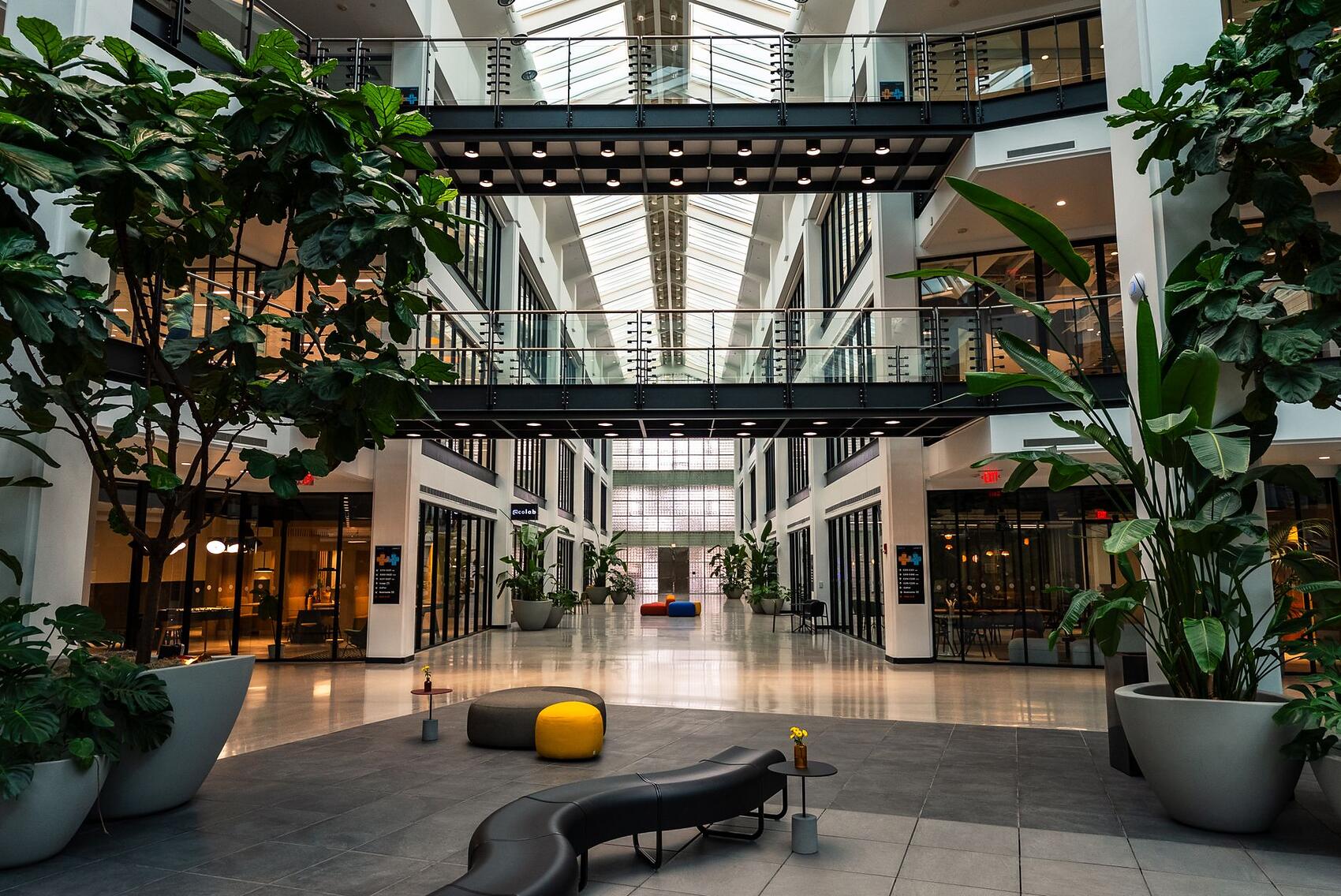
Convention and Trade Show Security in Orlando
Nexus Security Firm staffs show floors, docks and badge checkpoints for conventions and trade shows across Orange County under FDACS agency license B 1900066. Coverage is built around move-in, show days and move-out, because those three windows carry different risks and need different post counts.
What convention and trade show security covers
It covers the three windows of a show: move-in, show hours and move-out, each staffed differently. During move-in officers hold the loading docks, check labor and exhibitor credentials at the freight doors, and keep the freight aisles clear while crates move. During show hours the posts shift to hall entrances for badge verification, to the registration area, and to any room the organizer has closed to general attendees. During move-out the docks reopen and the same credential control applies in reverse, which is when a booth is least protected.
Overnight coverage between show days is a separate line. A dark hall full of open crates, demo units and product cases is a different exposure from the same hall at 10am with 8,000 people in it, and it usually takes fewer officers on a walking pattern instead of fixed posts. Officers also work registration overflow, session doors, keynote room access and the loading zone outside, where vehicles queue and a driver is looking for someone to tell them where to go.
Estimate what coverage for your event date costs
Event coverage comes down to officer hours and the staffing ratio the venue and the head count call for. Five questions gives you a working range before anyone walks the floor plan.
Figures rest on Florida guard wages (ZipRecruiter, Salary.com, Indeed, 2026) and the standard 1.5x to 2x markup (Belfry Software, 2026). Venue rules and the final head count move the staffing number.
Who books convention security and what they are protecting
Show organizers, association meeting planners, general service contractors and individual exhibitors all book it, and they are protecting different things. The organizer is protecting the integrity of the badge: a paid attendee list is the product, and a show where anyone can walk the floor loses the exhibitors who paid for access to that list. The general service contractor is protecting freight and the dock schedule. The individual exhibitor is protecting a booth that may hold product samples, laptops, demo hardware and a display system that took a day to build.
Corporate marketing teams book a single officer for a booth on a high-value stand. Associations book the full package because their insurance or their venue agreement requires it. Whoever is writing the check, the question that decides the post count is the same one: how many ways are there into this hall, and who is allowed through each of them at what hour.
How show posts are staffed, armed and unarmed
Convention work is overwhelmingly unarmed, and that is the right call for most halls. Badge check, dock control, aisle presence and overnight floor coverage are posts where the job is observation, credential verification and calling for help. Officers hold a Florida Class D license, which requires 40 hours of FDACS-approved training and is valid two years (FDACS Division of Licensing).
Armed posts appear where a show involves high-value merchandise on open display, cash handling on the floor, or a person whose presence at the show has drawn attention. A Class G armed license requires 4 hours of firearms requalification each year of the two-year cycle (FDACS Division of Licensing), and the post rate reflects the extra license and the extra liability. A supervisor is assigned to the show and attends the posts across the days, which matters on a multi-day event where shifts change three times a day.
What convention security costs and what moves the rate
Expect roughly $24 to $34 an hour for unarmed officers and $32 to $46 armed in Central Florida. Those bands come from Florida guard wages of about $14 to $18 an hour unarmed and $18 to $26 armed (ZipRecruiter, Salary.com and Indeed, 2026) and an industry bill rate of 1.5 to 2 times the officer wage (Belfry Software, 2026), where officer pay is about 70 percent of the bill rate and indirect cost about 10 percent.
Four things push a show toward the top of the band: overnight hours, holiday weekends, armed posts, and a short-notice booking where officers have to be pulled from other schedules. Two things pull it down: a multi-day show that gives officers continuous shifts, and consolidating entrances so fewer posts cover the same hall. If your floor plan has four doors and only two need to be open, closing two is the cheapest security decision available to you, and we will say so when we see the plan.
What Orlando changes about a show
The scale is the difference. The Orange County Convention Center hosts roughly 200 events and more than 2 million attendees a year, with $4.6B in annual economic impact and support for 28,000 jobs (OCCC / Orange County), so the halls are large, the docks are busy, and your show is frequently not the only one in the building. That means shared concourses, shared parking and attendees from a neighboring show who wander into your hall carrying the wrong badge.
The city also sits at the center of a 76.7 million visitor year (Visit Orlando), so attendees arrive from International Drive hotels by shuttle in waves rather than in a steady stream, and doors get overwhelmed at predictable moments. Summer afternoon storms push queues indoors and change where people stand. Both facts belong in a post plan before they show up as a line at a door on the first morning.
How to verify the agency and officer licenses
Run the number B 1900066 through the license search at the Florida Department of Agriculture and Consumer Services Division of Licensing. That is the Class B agency license held by Nexus Security Firm, and the record is public, so nothing waits on us sending you a document. Officers carry a Class D license for unarmed work, with a Class G added where the post is armed, both issued by the same agency.
Do the same check on every company bidding your show. A bidder who says the word licensed and cannot give you an agency number to type into the lookup has answered the question. Venues and insurance carriers run the same search, so having the number ready shortens the approval step on the venue paperwork.
Coverage usually booked for the same date
Most events book more than one of these for the same run of dates.
How a show gets staffed
Four steps, starting from the floor plan and the move-in schedule.
-
Send the show dates and the floor plan
Move-in dates, show days, move-out, hall assignment and expected attendance. The freight schedule matters as much as the show hours, because the dock is where the post count is decided.
-
Post plan by window
Move-in, show hours, overnight and move-out are quoted as separate blocks with their own post counts, so you can see what each window costs and adjust a window you consider overcovered.
-
Rules and escalation set in writing
What a badge allows, who may authorize an exception, what happens to a prohibited item, and who officers call first at your organization. Officers apply the rules you set, and the rules have to exist before doors open.
-
On site through load-out
Officers report in uniform for the brief, a supervisor is assigned to the show and attends the posts, and incidents are documented. The documentation goes to you for the show file, the venue or the carrier.
What to expect
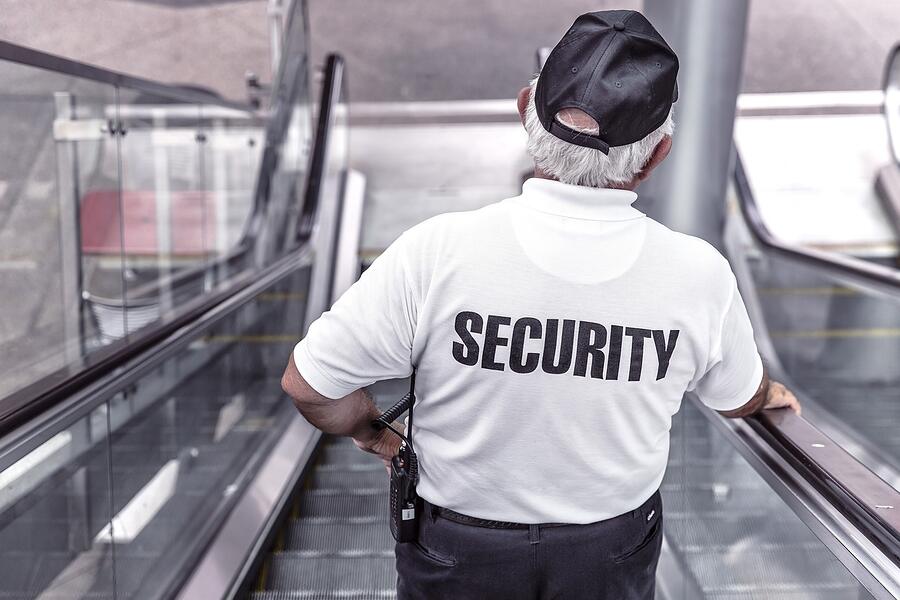
What a staffed show looks like from the organizer's side:
- Officers at the docks before the first truck is called
- Badge verification at every open hall entrance during show hours
- A walking pattern on the dark floor between show days
- A supervisor assigned to the show who attends the posts
- Incidents documented, with the documentation sent to you
- One point of contact for changes during the run
Why organizers book this coverage here
-
Move-in and move-out are staffed as their own problem
Most show losses happen when the hall is half built or half struck: credentials are not being checked yet, doors are propped, and a crate can leave on a cart without anyone deciding it should. Quoting those windows separately makes the coverage visible instead of folding it into a show-hours number that leaves the risky hours thin.
Roughly 200 events and 2 million attendees a year move through the convention center (OCCC / Orange County), and the docks carry all of it.
-
Badge integrity is treated as the product
Exhibitors buy access to a verified attendee list, and a badge that nobody checks turns that list into a guess. Officers at hall entrances verify credentials against the rule you set, apply your exception process instead of improvising one, and document what came up so the organizer can adjust the following day.
Class D officers complete 40 hours of FDACS-approved training before working a post (FDACS Division of Licensing).
-
One licensed Florida agency, one number to check
Nexus Security Firm is the agency, employs and deploys the officers, and holds FDACS Class B agency license B 1900066. You are not chasing a subcontractor when something needs settling mid-show, and the license you verify is the license of the people standing in your hall.
Agency license B 1900066 is public record on the FDACS Division of Licensing lookup.
What Reddit Says About Convention and Trade Show Security in Orlando
Buyers on the business and property subreddits describe a common frustration: searching for security and getting bland results that say nothing about how a job gets staffed. Several describe cycling through vendors because bids looked the same on paper and did not hold up in practice. The advice that recurs is to stop comparing hourly numbers and start asking who supervises the post, how incidents get documented, and what the company does when an officer calls out an hour before shift.
The pattern buyers warn about most is coverage sold in a shape that leaves the risky hours open. One community contracted four hours a night, four nights a week, then took break-ins during the unguarded hours. Translated to a show floor, that is a quote covering show hours and leaving the dock and the overnight hall thin. A second warning comes from officers themselves: threads about back-to-back doubles and relief that never arrives explain sleeping on post better than any story about individual character, which is why the scheduling behind a bid matters.
On theft, guards are near unanimous about the legal limit. Contracted officers ask a person to leave and call law enforcement, and most contracted retail security cannot detain a suspected thief at all. The practical protection on a trade show floor is a post where the exposure is, at the dock and in the aisle during move-in and move-out, plus documentation good enough for police and an insurance claim. Lowest-bid economics is the other recurring theme in those threads: the bill rate decides who ends up standing at your freight door.
A typical Orlando convention call
The situation: A trade show with roughly 300 exhibitors books two halls, with two days of move-in, three show days and a same-night move-out. The organizer has budgeted for badge check at the main entrance and nothing else. Exhibitors on the previous edition of the show reported missing demo units and a stolen laptop, both discovered on the morning of day one.
What gets done: The plan splits into four blocks. Move-in gets officers at both freight doors verifying labor and exhibitor credentials, plus one in the freight aisle keeping the lane clear. Show hours get badge posts at each open hall entrance and a roving officer in the aisles. The overnight between show days gets a walking pattern across both halls. Move-out gets the freight doors again, because an outbound crate is easier to lose than an inbound one. The organizer publishes a badge rule and names the person who can authorize an exception, so officers are applying a decision instead of making one.
How it turns out: The organizer has a documented record of every credential dispute and every escort request across the run, which goes into the show file and to the venue. The exhibitor complaints that drove the booking concentrate in the hours that are now staffed. The following year the organizer keeps the dock and overnight blocks and trims one show-hours aisle post, because the documentation shows where the activity was.
Convention and trade show security questions
What organizers, contractors and exhibitors ask before a show.
Planning the coverage
How many officers does a trade show need?
It comes from open doors and windows of exposure. A single-hall show with two open entrances can run on three or four officers during show hours and two overnight, while a two-hall show with active freight doors needs a separate dock team during move-in and move-out. Post counts are quoted by window so you can see what each block of hours buys.
Do we need overnight coverage between show days?
Most shows with product on open display do. A dark hall full of built booths, demo hardware and sample cases is the longest unattended stretch of the whole run. Overnight is usually the cheapest block on the quote because it runs on a walking pattern instead of fixed posts.
Can a single exhibitor book an officer for one booth?
Yes. Booth-level coverage is common for high-value stands, and it runs as a fixed post for the hours you name, often show hours plus the last hour of move-in and the first hour of move-out. Coordinate it with the show organizer, because most halls require the organizer to know who is working on their floor.
Who handles registration and badge disputes?
Officers verify credentials and hold the line at the door; your registration staff decide exceptions. That split has to be agreed before doors open, including who an officer calls when someone insists they belong on the floor. Officers applying a written rule are consistent, and a consistent door is what exhibitors are paying for.
Authority, licensing and cost
Can officers stop someone taking a booth item?
Officers intervene by presence and direction, document what they saw, and call law enforcement. Florida contracted security officers hold no police powers and detention is outside the role. What protects an exhibitor is a post at the exposure point during move-in and move-out and a written account good enough to support a police report and a claim.
What does convention coverage cost?
Roughly $24 to $34 an hour unarmed and $32 to $46 armed in Central Florida, built from Florida guard wages of about $14 to $18 unarmed and $18 to $26 armed (ZipRecruiter, Salary.com and Indeed, 2026) and industry bill rates of 1.5 to 2 times the wage (Belfry Software, 2026). Overnight hours, holidays and short-notice bookings sit at the top of the band.
Are your officers licensed, and how do I check?
Nexus Security Firm holds FDACS Class B agency license B 1900066, and officers hold a Class D license, with a Class G where a post is armed. Search the number on the FDACS Division of Licensing public lookup. Run the same search on every bidder before you compare their hourly rates.
Does the venue need anything from us?
Most venues want the agency license number and a certificate of insurance on file before the show, and some want the officer roster. Getting the license number into the venue paperwork early removes the usual week-of scramble, and the number is public so nothing waits on a document request.
What happens to the incident documentation?
It goes to you. Credential disputes, escorts, medical calls and anything involving law enforcement are written up and delivered to the organizer, which is what a venue, a carrier or an exhibitor will ask for weeks later when they are reconstructing what happened.
Still have a question? Call (407) 329-6099 and ask.